
Skip links

The ADHD (SOFT FOCUS) Liberate & Regulate nutrition PATHWAY

Important Note-

The Lose For Life ADHD Soft Focus Pathway offers lifestyle and nutritional guidance to support regulation, consistency, and wellbeing for women who experience attention, focus, and overwhelm challenges.
It is not intended as medical advice, diagnosis, or treatment for ADHD or any other mental health condition.

If you are under medical or psychological care, or using prescribed medication, please use this pathway alongside the guidance of your healthcare provider.

This pathway is designed to support daily structure and self-care — not replace professional support.

ADHD Soft Focus Pathway — Introduction: Designed For Brains That Tire Easily With Rigid Systems

If you live with ADHD, weight loss and lifestyle change can feel less about knowledge and more about capacity.

You can know exactly what to do and still struggle to do it consistently.

Not because you don’t care.

Not because you lack willpower.

But because attention, motivation, energy, emotional regulation, and executive function naturally fluctuate.

Many traditional plans assume:

• Consistent attention

• Linear motivation

• High executive function

• The ability to track, plan, organise, and stay on top of everything

For ADHD brains, this often leads to burnout, shame, and repeated cycles of starting strong before becoming overwhelmed.

This pathway exists to reduce cognitive load, simplify decisions, and support regulation rather than demand perfection.


ADHD, Dopamine, And The Weight Response System™

ADHD influences several parts of the Weight Response System™.

Including:

• Food noise

• Impulsivity

• Reward-seeking behaviour

• Emotional regulation

• Stress responses

• Habit formation

• Consistency

One of the most significant influences is dopamine.

Dopamine helps regulate motivation, reward, interest, and the drive to take action.

When dopamine is low, the brain naturally seeks stimulation and relief.

Food — particularly highly rewarding foods — can become a quick and accessible source of that stimulation.

This does not mean you lack willpower.

It means your brain is attempting to regulate itself using the tools available.

This pathway doesn’t try to remove pleasure from food.

Instead, it helps create more consistent sources of regulation, nourishment, reward, and structure so food doesn’t need to carry all of that responsibility.


Why ADHD Brains Need A Softer Structure

ADHD can influence:

• Attention

• Planning and follow-through

• Impulse control

• Emotional regulation

• Sensory sensitivity

• Stress responses

• Behavioural consistency

When cognitive load becomes high, food choices often become more reactive.

When routines become too rigid, motivation often collapses.

When systems become overly complicated, they are more likely to be abandoned.

This pathway adapts the Lose For Life Framework™ to be:

• Simpler

• More flexible

• Lower effort

• More forgiving

• Easier to return to after disruption

It is designed to work with your attention patterns, nervous system, and real life rather than against them.


What This Pathway Does Differently

You still use the same core framework:

Three regulate meals.

Snacks if genuinely needed.

Liberation with structure.

The ADHD Soft Focus Pathway adjusts the how, not the what.

Including:

• Fewer rules to remember

• More visual and repeatable choices

• Lower-friction meal structure

• Built-in flexibility for low-focus days

• Greater support for food noise and impulsive eating

• An emphasis on returning rather than staying perfect

• Reduced decision fatigue

• Support for emotional eating without shame

This is not about becoming more disciplined.

It is about creating a system your brain can realistically sustain.


A Different Definition Of Consistency

Consistency for ADHD brains is not never struggling.

It is not never forgetting.

And it is not staying perfect.

Consistency is returning.

Returning after a busy week.

Returning after impulsive eating.

Returning after losing focus.

Returning after life gets in the way.

This pathway is designed to make returning easier.

You do not need to catch up.

You do not need to compensate.

You simply return to your next regulate meal.

That is how sustainable change is built when attention and energy naturally fluctuate.


Gentle Reassurance

You are not broken for struggling with consistency, impulsivity, food noise, or dopamine-driven urges.

Your brain works differently.

This pathway respects that difference.

Offering structure without rigidity.

Guidance without overload.

Progress without burnout.

And support that works with your brain rather than asking you to constantly fight against it.

You are allowed to build change in a way that fits how your brain actually works.

How This Pathway Works

This Is Not About Willpower Or Perfect Consistency

This pathway is designed for brains that experience fluctuating attention, motivation, energy, and executive function.

Sustainable weight regulation for ADHD brains is not created through rigid rules or high-effort tracking.

It is created through simple, repeatable structures that are easy to return to.

The ADHD Soft Focus Pathway supports several key areas of the Weight Response System™, including food noise, impulsivity, emotional regulation, behavioural consistency, and nervous system regulation.

When systems become too complex, they are more likely to be abandoned.

When plans rely on perfect follow-through, they often create frustration and shame cycles.

This pathway works by reducing friction and making returning feel safe, simple, and achievable.


Regulation Before Restriction

When the nervous system is overloaded, food choices often become more reactive.

When dopamine is low, the brain naturally seeks stimulation, reward, or relief.

This pathway supports regulation first by:

• Keeping meals predictable

• Reducing decision fatigue

• Supporting blood sugar stability

• Creating steadier sources of reward and nourishment

• Lowering emotional and cognitive load

When the body and brain feel more regulated, behaviour change requires less effort.


The Same Structure, Applied More Gently

You still use the Lose For Life Framework™:

• Three regulate meals per day

• Snacks if genuinely needed

• Liberation with structure

What changes is how gently the framework is applied:

• Fewer rules to remember

• More repeatable meal patterns

• Permission to use the same meals often

• Built-in flexibility for low-capacity days

• Easy re-entry after disruption

This helps keep the system usable even when attention, motivation, or energy fluctuate.


Why This Works For ADHD Brains

This pathway reduces reliance on:

• Constant planning

• High executive function

• Perfect routines

• Ongoing motivation

Instead, it helps create reliable anchors you can return to when life feels busy, overwhelming, or unpredictable.

Change becomes less about trying harder.

And more about returning to what supports you.


Gentle Reassurance

If you lose momentum, forget, or drift away from the structure for a while, nothing has gone wrong.

This pathway was designed with that reality in mind.

Progress for ADHD brains is rarely linear.

It is often cyclical.

Each return strengthens awareness.

Each return strengthens regulation.

Each return reinforces the habit of coming back.

And over time, those returns become easier.


Hydration & Regulation Support

Hydration supports several areas of the Weight Response System™, including energy, attention, emotional regulation, and appetite awareness.

Low hydration can sometimes show up as:

• Brain fog

• Fatigue

• Headaches

• Irritability

• Reduced concentration

• Snack-seeking that is not true hunger

For ADHD brains, hydration is rarely difficult because it is unimportant.

It is difficult because it is easy to forget.

This pathway supports hydration in low-effort ways, without tracking or perfection.

Gentle Hydration Guidance

• Drink fluids regularly throughout the day

• Include fluids alongside meals and snacks

• Herbal teas, sparkling water, and flavoured water can all contribute

• Caffeine and alcohol do not replace hydration

• Notice whether hydration improves focus, energy, or reduces snack-seeking

Making Hydration Easier When Consistency Is Hard

You do not need perfect habits.

You need easy defaults.

Low-friction ideas:

• Keep water visible where you already sit or work

• Pair drinking with things you already do

• Use a bottle or cup you genuinely enjoy using

• Flavour water if plain water feels boring

• Use reminders if they help, and ignore them without guilt if they don’t

• Aim for more often than not rather than all the time

If hydration drops for a few days, nothing is broken.

You simply return to your next sip.

Gentle Reframe

Hydration is not another thing to be good at.

It is a small act of support that helps everything else feel a little easier.

HOW TO FOLLOW THE PLAN-

This pathway uses the same Lose For Life structure — just delivered in a way that’s easier to sustain when focus, energy, and motivation fluctuate.

There are three simple steps:
Step 1 — 3 Regulate Meals Per Day
Step 2 — Snacks (If Needed)
Step 3 — Liberation Foods (Freedom With Structure)

You are not aiming for perfect follow-through.
You are aiming to return to this structure more often than not.

Step 1 — 3 Regulate Meals Per Day
You aim for three regulate meals per day.
This provides predictable nourishment, steadier blood sugar, and calmer nervous system signalling — which supports focus, mood, and impulse control.

Each regulate meal is built from the same four blocks:
• Foundation (protein)
• Energy (carbohydrates)
• Daily nourish (healthy fats)
• Unlimited vegetables


ADHD-friendly framing:
You don’t need new meals every day.
You can repeat the same few meals often.
Simple, familiar meals are a feature of this pathway — not a failure.

Step 2 — Snacks (If Needed)
Snacks are optional.
They are used to support regulation between meals — not to replace meals.
If you’re hungry, low in energy, or feeling snacky in a way that leads to grazing, a simple regulating snack can help stabilise blood sugar and reduce impulsive eating later.
ADHD-friendly framing:
Keep 2–3 go-to snacks available.
Less choice reduces decision fatigue.

Step 3 — Liberation Foods (Freedom With Structure)
Liberation foods remain part of the plan.
Enjoyment and flexibility support long-term consistency.
You can choose between:
• Small daily liberation
• One planned weekly liberation

ADHD-friendly framing:
Liberation is planned so it doesn’t turn into all-or-nothing cycles.
You don’t “fall off” the plan — you return to structure at your next meal.

Gentle Reframe for ADHD Brains-
You will not follow this plan perfectly.
You are not meant to.

This pathway is built for easy re-entry, not rigid adherence.
Every return to structure strengthens regulation.
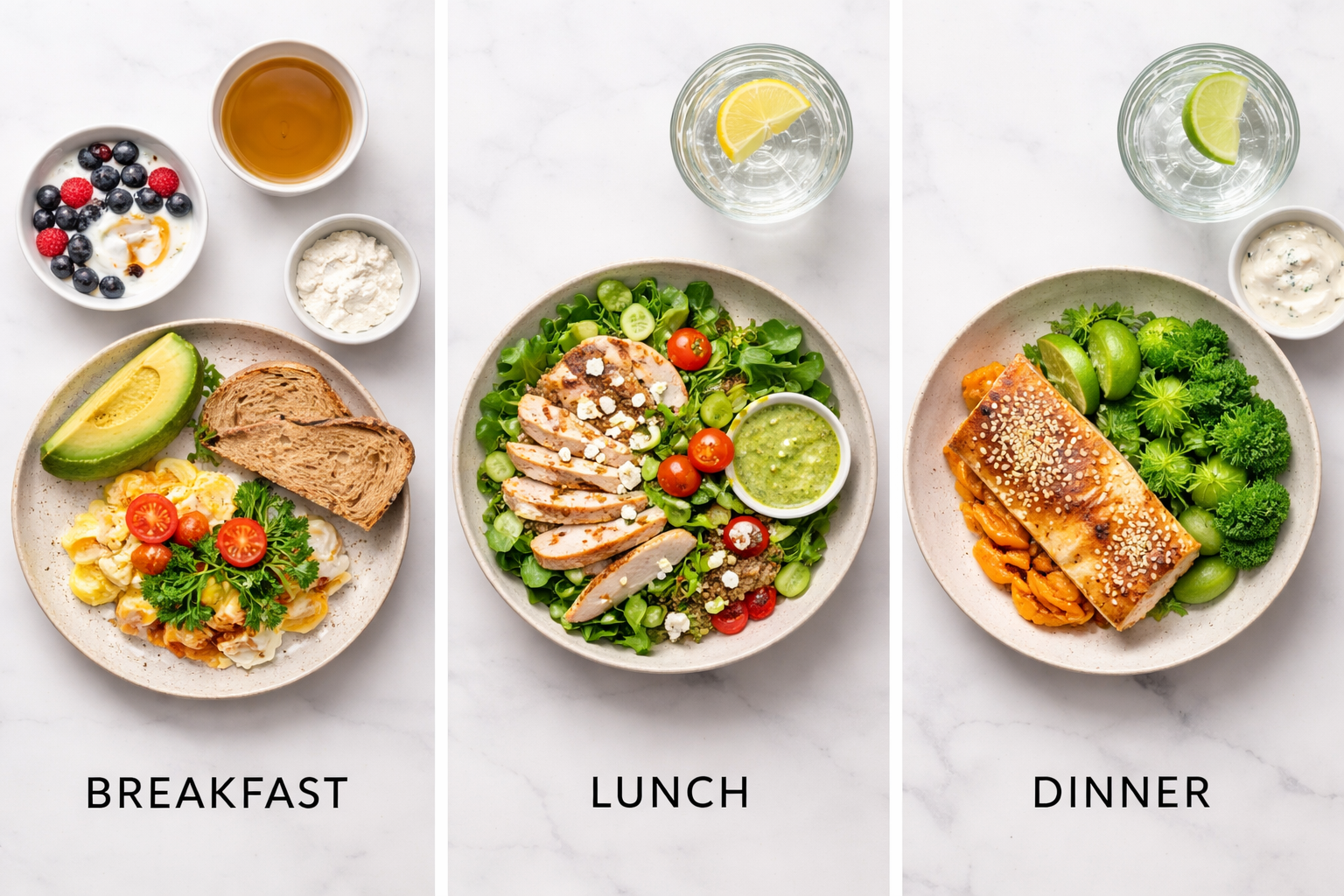
STEP 1 — DAILY REGULATE MEALS- ADHD SOFT FOCUS PATHWAY

You aim for 3 Regulate meals per day.
This provides:
• Predictable nourishment
• More stable energy
• Fewer dopamine-driven food swings
• Reduced nervous system stress
• Less “all-or-nothing” eating

For ADHD brains, regular meals are not about discipline — they are about supporting focus, mood, and impulse control.
Skipping meals or eating randomly increases:
• Brain fog
• Cravings
• Emotional eating
• Dopamine chasing through sugar and quick carbs
Regulated meals create steadiness — which makes everything else easier.

How to Build a Regulate Plate (ADHD Friendly)-
Each Regulate meal is built from the same four simple blocks every time.
This removes decision fatigue and reduces overwhelm.
You are not planning “perfect meals.”
You are assembling repeatable plates.
Each meal includes:
• 1 Foundation block (Protein)
• 1 Energy block (Carbohydrates)
• 1 Daily Nourish block (Fats)
• ½ plate Unlimited vegetables

This structure:
• Stabilises blood sugar
• Supports dopamine balance
• Reduces reactive eating
• Supports nervous system regulation
• Helps prevent afternoon crashes and evening overeating

What a Regulate Plate Looks Like-
Breakfast example:
Protein + energy + fruit/veg + nourish fat (e.g. porridge with yoghurt, fruit, seeds or nut butter)
Lunch example:
Protein + energy + half-plate veg + nourish fat

Dinner example:
Protein + energy + half-plate veg + nourish fat

You are building regulated meals — not “good” meals.

ADHD Supportive Framing-
Consistency matters more than variety at first.
If you find choice overwhelming:
• Rotate 2–3 breakfasts
• Rotate 2–3 lunches
• Rotate 2–3 dinners

Repetition is not failure.
Repetition is nervous system safety.
Structure reduces:
• Overthinking
• Decision paralysis
• Emotional burnout around food

Gentle Reassurance-
If you miss a meal
If you forget a block
If you eat reactively
You don’t “fail.”
You simply return to structure at the next meal.
ADHD-friendly progress is built through returning — not getting it right first time.
Regulation is created through repetition, not perfection.

The food structure in this pathway is the same as the core Lose For Life core eating plan because your body’s biological needs don’t change.
What changes is how gently and simply the plan is delivered, so it works with your focus, energy, and nervous system — not against it.
Vegetables provide important support for the ADHD brain and body.

They contribute:

• Fibre

• Nutrients

• Blood sugar stability

• Digestive support

• Sustained energy

• Meal satisfaction and balance

ADHD Guidance

• Aim for approximately ½ your plate or 2 fists of vegetables where practical

• Focus on simple, repeatable choices rather than variety for the sake of variety

• Frozen, pre-prepared, or convenience vegetables are absolutely acceptable

• Continue eating until comfortably satisfied rather than beyond comfort

The goal is not perfection.

The goal is making nourishment easier and more sustainable.


An Important Note About Eating On Autopilot

Many diet plans focus on rules.

What you can eat.

How much you can eat.

Or what foods are “safe.”

But for ADHD brains, the challenge is often something different.

Food can become automatic.

Eating can happen before you’ve fully noticed you’re hungry.

Meals can disappear while your attention is elsewhere.

And fullness can arrive after the food has already been eaten.

This isn’t a lack of willpower.

It’s often a reflection of how ADHD influences attention, impulsivity, reward-seeking, and awareness.

This pathway takes a different approach.

The goal is not to control yourself.

The goal is to become more aware of what’s happening while it’s happening.


Why Hunger And Fullness Can Feel Difficult To Notice

ADHD can make it harder to consistently notice body signals.

Especially when:

• You’re distracted

• Hyperfocused

• Busy

• Emotionally overwhelmed

• Seeking stimulation

This can sometimes lead to:

• Forgetting to eat

• Suddenly feeling extremely hungry

• Eating very quickly

• Eating while distracted

• Eating past fullness without noticing

• Food feeling urgent or difficult to pause around

This does not mean you’re doing anything wrong.

It means awareness sometimes needs more support.


Building Awareness Without Perfection

The goal is not perfect mindful eating.

The goal is simply noticing a little more often.

1. Eat Regular, Structured Meals

Predictable nourishment reduces decision fatigue and helps prevent extreme hunger.

2. Create Small Pauses

Even one brief pause during a meal can increase awareness.

You do not need to eat slowly.

You only need moments of noticing.

3. Check In Mid-Meal

Ask gently:

“Am I still hungry?”

“Am I enjoying this?”

“Am I beginning to feel satisfied?”

There is no right answer.

The goal is awareness.

4. Practise Comfortable Fullness

Not stuffed.

Not uncomfortable.

Simply comfortably satisfied.

This is not a rule.

It’s information.

5. Remove Judgement

There will be meals where you eat quickly.

Meals where you barely notice the food.

Meals where you eat beyond comfort.

That doesn’t mean you’ve failed.

Awareness grows through repetition, not perfection.


Why This Matters

One of the most powerful skills you can build with ADHD is awareness of automatic behaviours.

Because once a behaviour becomes visible, it becomes possible to change.

This is not about becoming perfectly mindful.

It’s about creating enough awareness to introduce choice.

And over time, those small moments of awareness begin to create a different relationship with food.

Because lasting weight regulation isn’t built through control.

It’s built through awareness, flexibility, and returning to simple structures that support you.

The goal isn’t to eat perfectly. The goal is to notice a little more often than you did before.

STEP 2- SNACKS (IF NEEDED)

Snacks are optional, and are used to support regulation between regulate meals — not to replace meals.

For ADHD brains, snacks can be especially helpful to prevent:
• Energy crashes
• Dopamine dips
• Reactive grazing
• Evening overeating driven by low blood sugar or fatigue

If you’re not hungry, you don’t need to snack.
If you are hungry, low in energy, or reaching for stimulation, a simple regulating snack can help.

How to Choose a Regulating Snack (Low-Decision)-
A regulating snack includes:
• 1 Foundation (Protein)
• 1 Gentle Energy or Fibre
• Optional Daily Nourish (small amount if helpful)
This combination supports steadier blood sugar, more stable energy, and fewer impulsive food swings.

ADHD-Friendly Snack Ideas (Examples)-
Protein-forward (easy options):
• Greek yoghurt
• Cottage cheese
• Boiled eggs
• Protein yoghurt
• Cheese portions

Protein + gentle energy:
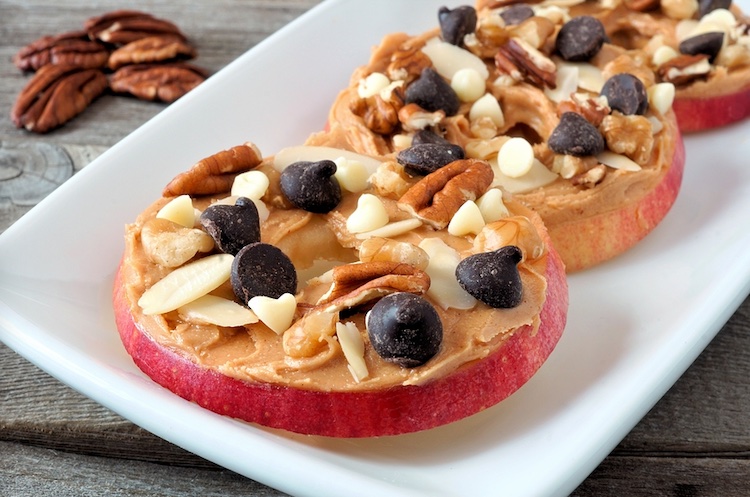
• Apple with nut butter
• Berries with yoghurt
• Banana with a small handful of nuts
• Oatcakes with cottage cheese

Savoury options:
• Hummus with vegetable sticks
• Crackers with cheese
• Leftover protein from a main meal

Keep 2–3 go-to snacks available. Less choice = less overwhelm.

Portion Guidance (No Weighing)-
Snacks are small by design.
Use simple hand guides:
• Protein: ½–1 palm
• Fruit / fibre: 1 cupped hand
• Fats (if included): 1 thumb
You are bridging to your next regulate meal — not building a full meal.

Emotional Safety Check-In (Dopamine Awareness)-
Before snacking, gently ask:
Am I physically hungry — or am I under-stimulated, tired, or emotionally overloaded?
Both are valid experiences.
If food helps, eat.
If what you need is stimulation, rest, or regulation, use your tools first — then eat if you still want to.
This builds awareness without removing choice.

Gentle Boundaries-
Snacks support regulation.
They are not for constant grazing.
If you find yourself snacking continuously, that’s feedback — not failure.
It may mean your meals need more protein, energy, or nourishment.

STEP 3- LIBERATION FOODS (FREEDOM WITH STRUCTURE)

Liberation foods are part of the plan.
Enjoyment, pleasure, and social connection matter — especially for ADHD brains that seek stimulation and relief from overwhelm.

Nothing is banned.
Nothing requires “starting again.”
You return to your structure at the next meal.

This step exists to support flexibility without all-or-nothing cycles.

Choose Your Liberation Style-
You can choose the style that supports you best:

Option A — Small Daily Liberation
A small portion of a liberation food most days.
Examples:
• A small chocolate bar
• A biscuit with a hot drink
• A small dessert portion
• A small alcoholic drink (if you choose to drink)
This suits those who find small, regular flexibility prevents feelings of deprivation.

Option B — One Planned Weekly Liberation
One larger, planned liberation choice in the week.
Examples:
• One takeaway or restaurant meal
• One dessert out
• Up to 1–2 standard alcoholic drinks on one occasion
• A social meal with foods outside your everyday foundation structure
This suits those who prefer structure most days with one intentional social moment.

Alcohol & Self-Regulation (ADHD Awareness)-

For ADHD brains, alcohol can be especially tempting as a form of self-regulation — to slow down, switch off, reduce overwhelm, or create a sense of relief.
This makes sense.
It doesn’t mean you lack discipline.

However, alcohol has real consequences for regulation and weight management:
• It temporarily slows fat burning
• It lowers inhibition around food choices
• It can increase impulsivity
• It disrupts sleep (which affects appetite and cravings the next day)
• It can lower mood and increase emotional eating afterwards
Alcohol isn’t banned. But it’s helpful to make informed, intentional choices about when and why you drink.

Gentle guidance:
• Pair alcohol with food and hydration
• Choose smaller amounts than you might have previously
• Avoid using alcohol as your main regulation tool
• Notice how alcohol affects your mood, sleep, cravings, and next-day energy
• Choose amounts that allow you to return to your next regulate meal feeling steady

Clear Boundaries (For Both Options)
Liberation is planned and portioned — not open-ended.

Guidelines:
• Liberation complements your regulated meals — it doesn’t replace the week of structure
• One planned event is different from a full day of grazing
• Two drinks is different from drinking through emotional overload
• Choose portions that allow you to feel steady, not depleted

If liberation foods or alcohol tend to trigger loss of control for you, use your regulation tools first — then choose intentionally.

Emotional Safety Reminder-
Liberation is not about being “good” or “bad.”
It is about including enjoyment without turning it into your main coping strategy.
You are practising flexibility within safety.

A Final Word for the ADHD Soft Focus Pathway-

This pathway is not about becoming more disciplined.
It is about creating a structure your brain can actually live with.

Some days will feel easier.
Some days focus will drop, routines will wobble, and food choices will feel more reactive.
That’s part of living with an ADHD nervous system — not a personal failure.

You are not expected to follow this plan perfectly.
You are expected to return to it gently.

Each return to a regulate meal, a supportive snack, or a planned liberation choice strengthens your capacity for regulation.
Each return builds trust with your body instead of shame.

This pathway is designed to reduce burnout, lower cognitive load, and support steadier energy, mood, and appetite — so change feels possible rather than exhausting.

You don’t need to do this all at once.
You don’t need to do it all “right.”
You simply keep coming back to the next regulated choice.

Progress for ADHD brains is built through returning, not staying perfect.

You simply return to structure more often than not.

If you miss meals, feel nauseous, eat very little on some days, or choose more liberation than planned on others, nothing has gone wrong.
You pause.
You regulate.
You return to your next regulate meal.

This pathway is not about getting the most weight loss out of medication.
It is about using medication in a way that protects your energy, muscle, metabolism, and nervous system — now and for the long term.

Whether GLP-1 is part of your journey for a season or longer term, the skills you are building here support sustainable, independent regulation beyond medication.

You are learning how to care for your body — not just quiet it.