The ADHD SOFT FOCUS PATHWAY
Important Note-
The Lose For Life ADHD Soft Focus Pathway offers lifestyle and nutritional guidance to support regulation, consistency, and wellbeing for women who experience attention, focus, and overwhelm challenges.
It is not intended as medical advice, diagnosis, or treatment for ADHD or any other mental health condition.
If you are under medical or psychological care, or using prescribed medication, please use this pathway alongside the guidance of your healthcare provider.
This pathway is designed to support daily structure and self-care — not replace professional support.
ADHD SOFT FOCUS PATHWAY — INTRODUCTION-
Designed for Brains That Tire Easily With Rigid Systems
If you live with ADHD, weight loss and lifestyle change can feel less about knowledge — and more about capacity.
You can know exactly what to do and still struggle to do it consistently.
Not because you don’t care.
But because focus, motivation, energy, and emotional regulation fluctuate.
Many traditional plans assume:
• Consistent attention
• Linear motivation
• High executive function
• The ability to track, plan, and “stay on top of things”
For ADHD brains, this often leads to burnout, shame, and cycles of starting strong then dropping off.
This pathway exists to reduce cognitive load, simplify decisions, and support regulation — not to demand perfection.
Dopamine, Food, and “Chasing the Lift”
ADHD brains are more sensitive to dopamine fluctuations.
Dopamine is linked to motivation, reward, and the feeling of “relief” or lift.
When dopamine is low, the brain naturally seeks quick hits of stimulation.
Food — especially highly palatable foods — can become an easy, accessible way to get that lift.
This doesn’t mean you lack willpower.
It means your brain is trying to self-regulate using what’s available.
This pathway doesn’t try to remove pleasure from food.
It helps you create steadier sources of reward and regulation so food doesn’t have to carry all that weight.
Why ADHD Brains Need a Softer Structure
ADHD affects how the brain manages:
• Attention
• Planning and follow-through
• Impulse control
• Emotional regulation
• Sensory sensitivity
• Stress response
When cognitive load is high, food choices become more reactive.
When routines are rigid, motivation collapses.
When systems are complex, they get abandoned.
This pathway adapts the Lose For Life structure to be:
• Simpler
• More flexible
• Lower effort
• More forgiving
• Easier to return to after disruption
It is designed to work with your nervous system and attention patterns — not against them.
What This Pathway Does Differently
You still use the same core framework:
regulate meals, snacks if needed, and liberation with structure.
The ADHD Soft Focus Pathway adjusts the how, not the what:
• Fewer rules to remember
• More visual and repeatable choices
• Lower friction meal structure
• Built-in flexibility for low-focus days
• Emphasis on “returning” rather than “staying perfect”
• Support for emotional eating and impulsivity without shame
This is not about being more disciplined.
It is about building a system your brain can actually sustain.
A Different Definition of Consistency
Consistency for ADHD brains is not “never dropping off.”
It is returning more often than not.
This pathway is designed to be easy to restart.
You don’t need to catch up.
You don’t need to compensate.
You simply return to your next regulate meal.
That is how change becomes sustainable when attention and energy fluctuate.
Gentle Reassurance
You are not broken for struggling with consistency or dopamine-driven urges.
Your brain works differently.
This pathway respects that difference.
It offers structure without rigidity, guidance without overload, and progress without burnout.
You are allowed to move forward in a way that fits how your brain actually works.
HOW THIS PLAN WORKS-
This Is Not About Willpower or Perfect Consistency
This pathway is designed for brains that experience fluctuating focus, motivation, and energy.
Sustainable change for ADHD brains is not created through rigid rules or high-effort tracking.
It is created through simple structure that is easy to return to.
When systems are too complex, they get abandoned.
When plans rely on perfect follow-through, they create shame cycles.
This pathway works by lowering friction and making “getting back on track” feel safe and simple.
Regulation Before Restriction-
When the nervous system is overloaded, food choices become more reactive.
When dopamine is low, the brain seeks quick relief.
This plan supports regulation first by:
• Keeping meals predictable
• Reducing decision fatigue
• Supporting blood sugar stability
• Creating steadier sources of reward
• Lowering emotional and cognitive load
When the body and brain feel steadier, behaviour change requires less effort.
The Same Structure, Softened
You still use the Lose For Life framework:
• 3 regulate meals per day
• Snacks if needed
• Liberation with structure
What changes is how gently you apply it:
• Fewer rules to hold in your head
• More repeatable meal patterns
• Permission to use the same meals often
• Built-in flexibility for low-capacity days
• Easy re-entry after disruption
This keeps the system usable even when focus and energy dip.
Why This Works for ADHD Brains-
This pathway reduces the need for:
• Constant planning
• High executive function
• Perfect routine
• Ongoing motivation
Instead, it builds a default structure you can lean on when your brain is tired.
Change becomes less about “trying harder”
and more about returning to simple anchors.
Gentle Reassurance-
If you drop off, forget, or lose momentum, nothing has gone wrong.
This pathway is designed to be restarted — often.
Progress for ADHD brains is not linear.
It’s cyclical.
Each return to structure strengthens regulation.
Each return builds the habit of coming back.
Hydration & Consistency Support-
Hydration supports energy, focus, emotional regulation, and appetite awareness.
Low hydration can show up as:
• Brain fog
• Fatigue
• Headaches
• Irritability
• “Snacky” urges that aren’t hunger
For ADHD brains, hydration isn’t hard because it’s unimportant — it’s hard because it’s easy to forget.
This pathway supports hydration in low-effort ways, without tracking or perfection.
Gentle Hydration Guidance-
• Drink fluids regularly across the day
• Include fluids with meals and snacks
• Herbal teas, sparkling water, and flavoured water can count
• Caffeine and alcohol don’t replace hydration
• Notice if hydration improves focus, energy, or reduces “snacky” urges
Hydration is a form of regulation, not a task to get right.
Making Hydration Easier When Consistency Is Hard-
You don’t need perfect habits.
You need easy defaults.
Low-friction tips:
• Keep water visible where you already sit or work
• Pair drinking with things you already do (after meals, when you open your laptop, after using the bathroom)
• Use a bottle or cup you enjoy using
• Flavour water if plain water feels boring
• Set a gentle reminder if helpful — then ignore it without guilt if you miss it
• Aim for “more often than not,” not “all the time”
If hydration drops for a few days, nothing is broken.
You simply return to your next sip.
Gentle Reframe-
Hydration is not another thing to be “good at.”
It’s a small support that makes everything else feel easier when you remember it.
HOW TO FOLLOW THE PLAN-
This pathway uses the same Lose For Life structure — just delivered in a way that’s easier to sustain when focus, energy, and motivation fluctuate.
There are three simple steps:
Step 1 — 3 Regulate Meals Per Day
Step 2 — Snacks (If Needed)
Step 3 — Liberation Foods (Freedom With Structure)
You are not aiming for perfect follow-through.
You are aiming to return to this structure more often than not.
Step 1 — 3 Regulate Meals Per Day
You aim for three regulate meals per day.
This provides predictable nourishment, steadier blood sugar, and calmer nervous system signalling — which supports focus, mood, and impulse control.
Each regulate meal is built from the same four blocks:
• Foundation (protein)
• Energy (carbohydrates)
• Daily nourish (healthy fats)
• Unlimited vegetables
ADHD-friendly framing:
You don’t need new meals every day.
You can repeat the same few meals often.
Simple, familiar meals are a feature of this pathway — not a failure.
Step 2 — Snacks (If Needed)
Snacks are optional.
They are used to support regulation between meals — not to replace meals.
If you’re hungry, low in energy, or feeling snacky in a way that leads to grazing, a simple regulating snack can help stabilise blood sugar and reduce impulsive eating later.
ADHD-friendly framing:
Keep 2–3 go-to snacks available.
Less choice reduces decision fatigue.
Step 3 — Liberation Foods (Freedom With Structure)
Liberation foods remain part of the plan.
Enjoyment and flexibility support long-term consistency.
You can choose between:
• Small daily liberation
• One planned weekly liberation
ADHD-friendly framing:
Liberation is planned so it doesn’t turn into all-or-nothing cycles.
You don’t “fall off” the plan — you return to structure at your next meal.
Gentle Reframe for ADHD Brains-
You will not follow this plan perfectly.
You are not meant to.
This pathway is built for easy re-entry, not rigid adherence.
Every return to structure strengthens regulation.
STEP 1 — DAILY REGULATE MEALS- ADHD SOFT FOCUS PATHWAY
You aim for 3 Regulate meals per day.
This provides:
• Predictable nourishment
• More stable energy
• Fewer dopamine-driven food swings
• Reduced nervous system stress
• Less “all-or-nothing” eating
For ADHD brains, regular meals are not about discipline — they are about supporting focus, mood, and impulse control.
Skipping meals or eating randomly increases:
• Brain fog
• Cravings
• Emotional eating
• Dopamine chasing through sugar and quick carbs
Regulated meals create steadiness — which makes everything else easier.
How to Build a Regulate Plate (ADHD Friendly)-
Each Regulate meal is built from the same four simple blocks every time.
This removes decision fatigue and reduces overwhelm.
You are not planning “perfect meals.”
You are assembling repeatable plates.
Each meal includes:
• 1 Foundation block (Protein)
• 1 Energy block (Carbohydrates)
• 1 Daily Nourish block (Fats)
• ½ plate Unlimited vegetables
This structure:
• Stabilises blood sugar
• Supports dopamine balance
• Reduces reactive eating
• Supports nervous system regulation
• Helps prevent afternoon crashes and evening overeating
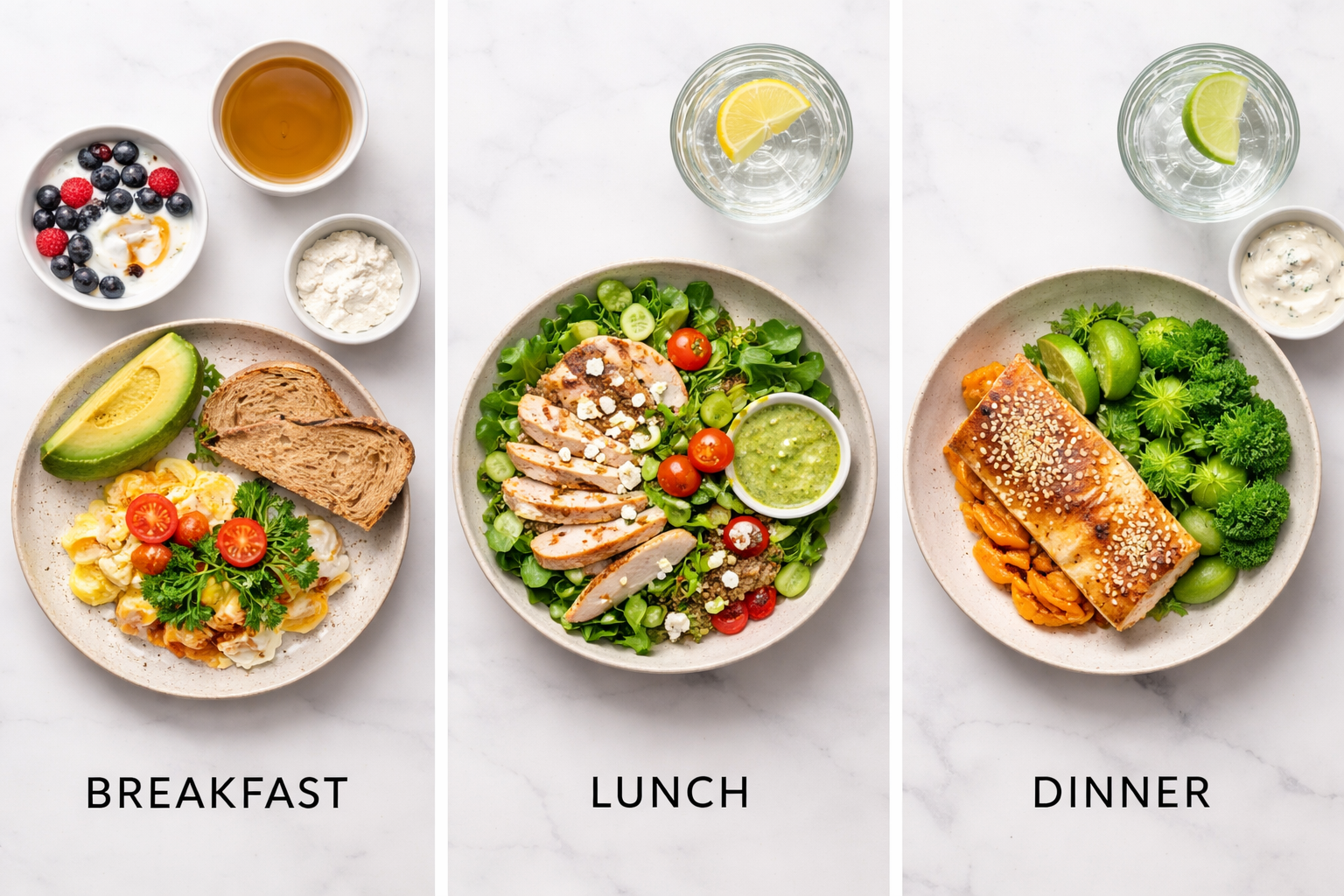
What a Regulate Plate Looks Like-
Breakfast example:
Protein + energy + fruit/veg + nourish fat
(e.g. porridge with yoghurt, fruit, seeds or nut butter)
Lunch example:
Protein + energy + half-plate veg + nourish fat
Dinner example:
Protein + energy + half-plate veg + nourish fat
You are building regulated meals — not “good” meals.
ADHD Supportive Framing-
Consistency matters more than variety at first.
If you find choice overwhelming:
• Rotate 2–3 breakfasts
• Rotate 2–3 lunches
• Rotate 2–3 dinners
Repetition is not failure.
Repetition is nervous system safety.
Structure reduces:
• Overthinking
• Decision paralysis
• Emotional burnout around food
Gentle Reassurance-
If you miss a meal
If you forget a block
If you eat reactively
You don’t “fail.”
You simply return to structure at the next meal.
ADHD-friendly progress is built through returning — not getting it right first time.
Regulation is created through repetition, not perfection.
The food structure in this pathway is the same as the core Lose For Life core eating plan because your body’s biological needs don’t change.
What changes is how gently and simply the plan is delivered, so it works with your focus, energy, and nervous system — not against it.
BLOCK 1- FOUNDATION FOODS (PROTEIN ANCHOR)
| LEAN POULTRY | - |
|---|---|
| Chicken breast | Ground Chicken Breast |
| Ground Turkey Breast | Turkey Breast |
| SEAFOOD/FISH | - |
|---|---|
| Cod | Mackerel |
| Prawns | Salmon |
| Sardines | Shrimp |
| Tilapia | Tuna |
| EGGS | - |
|---|---|
| Egg whites | Whole eggs |
| DAIRY/DAIRY ALTERNATIVES | - |
|---|---|
| Cheese | Cows milk |
| Cottage cheese | Cream cheese |
| Goats milk | Greek Yogurt |
| Kefir | - |
| RED MEAT- LEAN CUTS | - |
|---|---|
| Bison | Lamb |
| Lean beef (all varieties) | Venison |
| PLANT-BASED PROTEINS | - |
|---|---|
| Black beans | Chickpeas |
| Edamame | Kidney beans |
| Seitan | Tempeh |
| Tofu | - |
| NUTS & SEEDS (PARTIAL PROTEIN & ENERGY LAYER) | - |
|---|---|
| Almonds | Chia seeds |
| Flaxeeds | Pumpkin seeds |
| Sunflower seeds | - |
| OTHER | - |
|---|---|
| Greek yogurt | Greek-style plant yogurts (soy) |
| Nutritional yeast | Pea protein milk (unsweetened) |
| Pea protein yoghurt | Skyr |
| Soy milk (unsweetened, fortified) |
BLOCK 2- ENERGY FOODS (CARBOHYDRATES)
| ROOT VEGETABLES | - |
|---|---|
| Beetroot | Carrots (larger portions) |
| New potatoes | Parsnips |
| Sweet potatoes | White potatoes |
| WHOLE GRAINS | - |
|---|---|
| Barley | Brown rice |
| Buckwheat | Bulgar wheat |
| Oats | Quinoa |
| Wild rice | - |
| SOURDOUGH & WHOLEGRAIN BREADS | - |
|---|---|
| Rye | Sourdough |
| Wholegrain bread | - |
| ANCIENT GRAINS | - |
|---|---|
| Amaranth | Farro |
| Millet | Teff |
| FRUIT (HIGH ENERGY) | - |
|---|---|
| Banana | Grapes |
| Mango | Pineapple |
| CORN & STARCHY VEG | - |
|---|---|
| Butternut squash | Corn (sweetcorn, corn on the cob) |
| Peas | - |
BLOCK 3- DAILY NOURISH (HEALTHY FATS)
| COLD-PRESSED OILS | - |
|---|---|
| Avocado oil | Extra virgin olive oil |
| WHOLE FATS | - |
|---|---|
| Avocado | Olives |
| NUTS | - |
|---|---|
| Almonds | Brazils |
| Cashews | Pecans |
| Walnuts | - |
| SEEDS | - |
|---|---|
| Amaranth | Farro |
| Millet | Teff |
| NUTS & SEED BUTTERS | - |
|---|---|
| Almond butter | Cashew butter |
| Peanut butter | Tahini |
| FATTY FISH | - |
|---|---|
| Mackerel | Salmon |
| Sardines | - |
BLOCK 4- BALANCE (UNLIMITED VEGGIES)
AN IMPORTANT NOTE ON “UNLIMITED” FOODS-
Many diet plans say:
“Eat as much of these foods as you like.”
For women who’ve dieted for years, this can quietly turn into:
• Eating past comfort
• Eating automatically
• Eating because it’s “allowed”
• Eating to soothe emotions
• Or eating to get it out of the way before the next restriction
This system is different.
The goal here is not to override your body.
The goal is to rebuild trust with it.
Why Hunger Cues Can Feel Unreliable
If you’ve spent years dieting, overeating, restricting, or yo-yoing, your body has learned to adapt.
Over time, this can lead to:
• Blunted hunger signals
• Stronger cravings
• Feeling “too hungry” suddenly
• Feeling disconnected from fullness
• Eating feeling urgent or automatic
This isn’t a lack of willpower.
It’s your body responding to periods of stress and unpredictability around food.
When food has felt scarce, the body learns to protect itself.
When food has felt emotionally loaded, the body learns to seek comfort.
That can make hunger and fullness cues feel confusing or unreliable at first.
Rebuilding Trust With Your Body
Reconnecting with your body is a skill.
It comes back through consistency and safety, not control.
Here’s how you begin to rebuild that connection:
1) Eat regular, structured meals
Predictable nourishment teaches your body that food is safe and available.
2) Slow down slightly when eating
You don’t need to eat perfectly mindfully.
Just pausing between bites helps your body notice when it’s had enough.
3) Check in with your body mid-meal
Ask gently:
“Am I still physically hungry, or am I starting to feel satisfied?”
4) Practise stopping at comfortable fullness
This may feel unfamiliar at first.
That’s okay. It’s a learning process, not a test.
5) Remove judgement
There will be meals where you eat past comfort.
That doesn’t undo your progress.
You simply return to structure at the next meal.
What “Unlimited” Really Means Here
Unlimited does not mean mindless.
Unlimited does not mean overriding your body.
Unlimited means you are not restricted by numbers — but you are guided by connection.
This is how trust is rebuilt.
This is how hunger cues return.
This is how your relationship with food begins to heal.
You are learning to listen to your body again.
And like any skill, it strengthens with practice.
“Unlimited within hunger and fullness cues — not mindless or automatic eating.”
| LEAFY GREENS | - |
|---|---|
| - | - |
| Arugula | Collard Greens |
| Kale | Mustard Greens |
| Romaine Lettuce | Spinach |
| Swiss Chard | Watercress |
| CRUCIFEROUS VEGETABLES | - |
|---|---|
| Bok Choy | Broccoli |
| Brussel Sprouts | Cabbage |
| Cauliflower | Kohlrabi |
| COLOURFUL VEGETABLES | - |
|---|---|
| Bell peppers (all) | Beetroot |
| Carrots | Courgettes |
| Cucumber | Pumpkin |
| Radishes | Tomatoes |
| ALLIUM FAMILY | - |
|---|---|
| Chives | Garlic |
| Onion | Leeks |
| Shallots | - |
| FIBRE RICH | - |
|---|---|
| Chickpeas | Green beans |
| Edamame | Lentils |
| Snow peas | Sugar snap peas |
| LOW-SUGAR FRUITS | - |
|---|---|
| Apples | Blackberries |
| Blueberries | Cherries |
| Grapefruit | Kiwi |
| Pears | Plums |
| Strawberries | - |
| FERMENTED (GUT-SUPPORT) | - |
|---|---|
| Kimchi | Pickled beetroot |
| Pickled gherkins | Pickled onions |
| Pickled red cabbage | Pickled red onions |
| Sauerkraut | - |
| HERBS & MICROGREENS | - |
|---|---|
| Coriander | Dill |
| Mint | Parsley |
| Pea shoots | Tarragon |
| BONUS VEG | - |
|---|---|
| Artichokes | Mushrooms (all varieties) |
| Okra | Seaweed |
STEP 2- SNACKS (IF NEEDED)
Snacks are optional, and are used to support regulation between regulate meals — not to replace meals.
For ADHD brains, snacks can be especially helpful to prevent:
• Energy crashes
• Dopamine dips
• Reactive grazing
• Evening overeating driven by low blood sugar or fatigue
If you’re not hungry, you don’t need to snack.
If you are hungry, low in energy, or reaching for stimulation, a simple regulating snack can help.
How to Choose a Regulating Snack (Low-Decision)-
A regulating snack includes:
• 1 Foundation (Protein)
• 1 Gentle Energy or Fibre
• Optional Daily Nourish (small amount if helpful)
This combination supports steadier blood sugar, more stable energy, and fewer impulsive food swings.
ADHD-Friendly Snack Ideas (Examples)-
Protein-forward (easy options):
• Greek yoghurt
• Cottage cheese
• Boiled eggs
• Protein yoghurt
• Cheese portions
Protein + gentle energy:
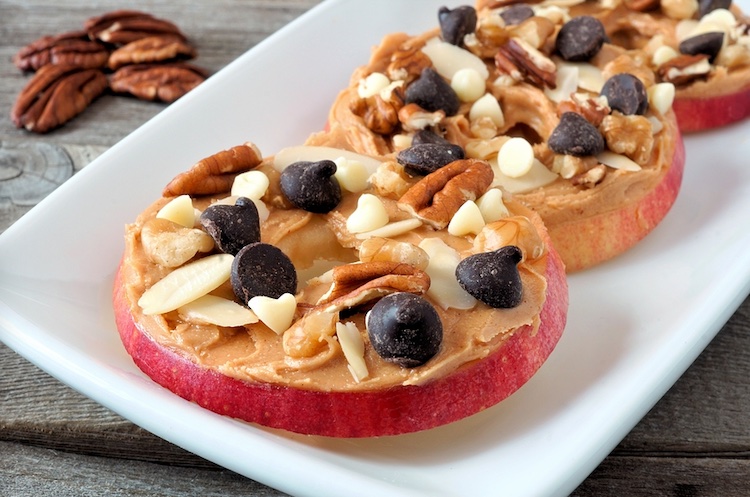
• Apple with nut butter
• Berries with yoghurt
• Banana with a small handful of nuts
• Oatcakes with cottage cheese
Savoury options:
• Hummus with vegetable sticks
• Crackers with cheese
• Leftover protein from a main meal
Keep 2–3 go-to snacks available.
Less choice = less overwhelm.
Portion Guidance (No Weighing)-
Snacks are small by design.
Use simple hand guides:
• Protein: ½–1 palm
• Fruit / fibre: 1 cupped hand
• Fats (if included): 1 thumb
You are bridging to your next regulate meal — not building a full meal.
Emotional Safety Check-In (Dopamine Awareness)-
Before snacking, gently ask:
Am I physically hungry — or am I under-stimulated, tired, or emotionally overloaded?
Both are valid experiences.
If food helps, eat.
If what you need is stimulation, rest, or regulation, use your tools first — then eat if you still want to.
This builds awareness without removing choice.
Gentle Boundaries-
Snacks support regulation.
They are not for constant grazing.
If you find yourself snacking continuously, that’s feedback — not failure.
It may mean your meals need more protein, energy, or nourishment.

STEP 3- LIBERATION FOODS (FREEDOM WITH STRUCTURE)
Liberation foods are part of the plan.
Enjoyment, pleasure, and social connection matter — especially for ADHD brains that seek stimulation and relief from overwhelm.
Nothing is banned.
Nothing requires “starting again.”
You return to your structure at the next meal.
This step exists to support flexibility without all-or-nothing cycles.
Choose Your Liberation Style-
You can choose the style that supports you best:
Option A — Small Daily Liberation
A small portion of a liberation food most days.
Examples:
• A small chocolate bar
• A biscuit with a hot drink
• A small dessert portion
• A small alcoholic drink (if you choose to drink)
This suits those who find small, regular flexibility prevents feelings of deprivation.
Option B — One Planned Weekly Liberation
One larger, planned liberation choice in the week.
Examples:
• One takeaway or restaurant meal
• One dessert out
• Up to 1–2 standard alcoholic drinks on one occasion
• A social meal with foods outside your everyday foundation structure
This suits those who prefer structure most days with one intentional social moment.
Alcohol & Self-Regulation (ADHD Awareness)-
For ADHD brains, alcohol can be especially tempting as a form of self-regulation — to slow down, switch off, reduce overwhelm, or create a sense of relief.
This makes sense.
It doesn’t mean you lack discipline.
However, alcohol has real consequences for regulation and weight management:
• It temporarily slows fat burning
• It lowers inhibition around food choices
• It can increase impulsivity
• It disrupts sleep (which affects appetite and cravings the next day)
• It can lower mood and increase emotional eating afterwards
Alcohol isn’t banned. But it’s helpful to make informed, intentional choices about when and why you drink.
Gentle guidance:
• Pair alcohol with food and hydration
• Choose smaller amounts than you might have previously
• Avoid using alcohol as your main regulation tool
• Notice how alcohol affects your mood, sleep, cravings, and next-day energy
• Choose amounts that allow you to return to your next regulate meal feeling steady
Clear Boundaries (For Both Options)
Liberation is planned and portioned — not open-ended.
Guidelines:
• Liberation complements your regulated meals — it doesn’t replace the week of structure
• One planned event is different from a full day of grazing
• Two drinks is different from drinking through emotional overload
• Choose portions that allow you to feel steady, not depleted
If liberation foods or alcohol tend to trigger loss of control for you, use your regulation tools first — then choose intentionally.
Emotional Safety Reminder-
Liberation is not about being “good” or “bad.”
It is about including enjoyment without turning it into your main coping strategy.
You are practising flexibility within safety.
A Final Word for the ADHD Soft Focus Pathway-
This pathway is not about becoming more disciplined.
It is about creating a structure your brain can actually live with.
Some days will feel easier.
Some days focus will drop, routines will wobble, and food choices will feel more reactive.
That’s part of living with an ADHD nervous system — not a personal failure.
You are not expected to follow this plan perfectly.
You are expected to return to it gently.
Each return to a regulate meal, a supportive snack, or a planned liberation choice strengthens your capacity for regulation.
Each return builds trust with your body instead of shame.
This pathway is designed to reduce burnout, lower cognitive load, and support steadier energy, mood, and appetite — so change feels possible rather than exhausting.
You don’t need to do this all at once.
You don’t need to do it all “right.”
You simply keep coming back to the next regulated choice.
Progress for ADHD brains is built through returning, not staying perfect.
You simply return to structure more often than not.
If you miss meals, feel nauseous, eat very little on some days, or choose more liberation than planned on others, nothing has gone wrong.
You pause.
You regulate.
You return to your next regulate meal.
This pathway is not about getting the most weight loss out of medication.
It is about using medication in a way that protects your energy, muscle, metabolism, and nervous system — now and for the long term.
Whether GLP-1 is part of your journey for a season or longer term, the skills you are building here support sustainable, independent regulation beyond medication.
You are learning how to care for your body — not just quiet it.