PILLAR 6- MOVEMENT FOR LIFE
(BEHAVIOURAL MOVEMENT LAYER)
If your immediate instinct is to skip this section, please don’t. Seriously. This part of the system matters more than most women realise — not just for your results, but for the ‘longevity’ of them.
For many people, exercise is a dreaded, even feared subject. It’s avoided at all costs. And I get it — because I used to ‘loathe’ exercise.
If you’d told me ten years ago that I would one day enjoy moving my body regularly, I would’ve told you to get the f*ck out of here. Back then I was morbidly obese, unfit, and painfully self-conscious. Exercise felt like torture. The thought of it made me want to curl into a ball and cry.
But I desperately wanted to lose weight, and I knew movement was a key part of a healthy body. So I tried to make it work.
And I failed.
Not because I was weak — because the way I approached exercise was wrong.
I thought fitness meant running, hardcore gym sessions, intense cardio* — and that terrified me. So I tried home workouts instead. I chose a HIIT channel and attempted an hour-long session.
Within 15 minutes I collapsed — lungs burning, joints screaming, struggling to breathe. I honestly thought I was having a heart attack. I felt defeated, exhausted, and ashamed.
Weeks later, I tried again. Same result.
I kept thinking: ‘I just need to lose weight first.’ So I told myself I’d start working out after losing my first five stone.
But I never reached that goal. I’d lose three stone, regain it, repeat the cycle, and my mindset around fitness became toxic. It created anxiety, fear, and resentment.
I didn’t believe my feelings would ever change — until I learned the truth about exercise.
And that truth changed everything.
THE FACTS THAT WILL CHANGE YOUR RELATIONSHIP WITH EXERCISE-

f the only reason you move is to “earn” your food, you’re building an unhealthy relationship with both movement and eating.
This mindset makes exercise feel like punishment.
It creates guilt.
It fuels disordered patterns like “earning” calories and compensating with food.
It also leads to burnout — because motivation based on numbers always fades.
And worst of all, it makes you miss out on the real benefits of movement, such as:
* Better sleep
* Reduced inflammation
* Increased energy
* Improved mood
* Stress relief
* Stronger immune function
* Better brain health
* Improved strength and posture
* Cardiovascular health
* Improved focus and cognitive function
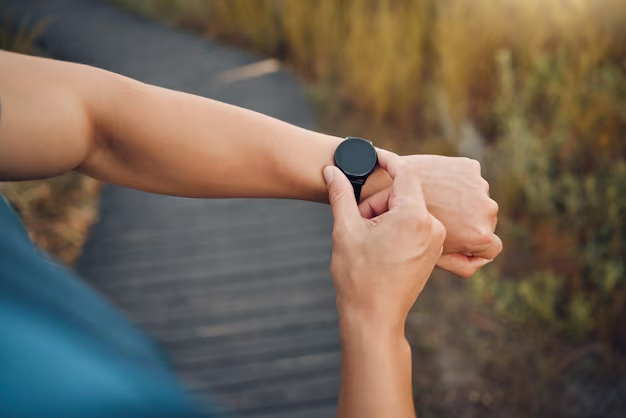
Short bursts of movement can be just as effective as longer workouts — and often more sustainable.
This is called ‘’exercise snacking.”
Even 10 minutes, 3 times a day, can:
* Improve cardiovascular health
* Increase metabolic function
* Boost mood
* Improve strength
* Reduce stress
So whether you’re new to exercise or building a routine, you don’t need to overcomplicate it.
You just need consistency.

Regular movement reduces inflammation by supporting the immune system and promoting the release of anti-inflammatory substances.
Less inflammation = less fatigue, better energy, improved metabolism, and healthier hormones.
Even seated exercise helps.
Because the nervous system has shared neural pathways that coordinate movement — even when you’re sitting.
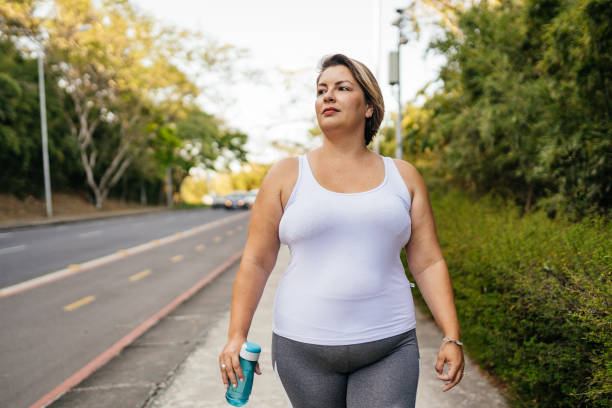
Walking isn’t just gentle movement — it changes your brain.
Neuroscience shows walking improves:
* Neuroplasticity (your brain’s ability to rewire itself)
* Cognitive function
* Mood
* Stress reduction
* Anxiety reduction
* Motivation and focus
Walking increases BDNF (brain-derived neurotrophic factor), which supports new neural pathways — meaning it actually helps you build new habits.
And if you combine walking with ‘passive listening hypnosis’, you can deepen the transformation even further.
A SIMPLE GUIDE TO WALKING FOR RESULTS
**10,000 steps/day** (at a pace above rest) = steady fat burn
**15,000 steps/day** = raised fat burn
**20,000 steps/day** = powered fat burn
If you’re unable to walk, arm cycling is a powerful alternative and can deliver similar benefits.
Conclusion-
When I understood these facts, everything shifted.
Instead of attaching fitness to a weight-loss goal, I started with:
* N.E.A.T. (non-exercise activity thermogenesis)
* Short seated exercises
* Short walks
* Gentle progression
And yes — it wasn’t as intense as other people’s workouts.
But it was sustainable.
And it was enough to make a difference.
My confidence improved.
My mood improved.
My energy improved.
And eventually, my stamina improved too.
I went from seated exercise → standing exercise → longer walks.
And the biggest shift happened when I stopped using movement as punishment and started using it as **medicine for my mind**.
I began to use movement as a tool to manage emotional eating.
Instead of reaching for a biscuit tin, I went for a walk.
And I got the same dopamine release — without the regret, shame, and weight gain.
I lost weight as a ‘byproduct’ of the benefits movement had on my energy, hormones, mood, and mindset.
Your movement must be:
REALISTIC, OBTAINABLE, AND ENJOYABLE.
If it isn’t, it won’t stick.
And if it doesn’t stick, it won’t support your long-term results.
If you feel as though you may struggle to adapt this mindset, there is an optional tool below that can help you to reframe, rewire and reshape your relationship with fitness.
Now that you understand movement isn’t punishment, but *power*, you can build your own “movement for life” routine — one that supports your mind, your body, and your goals.
You don’t need to be perfect.
You just need to move.
And this is where the system becomes unstoppable.
Because movement — like all the changes you’re making — only becomes permanent when it becomes a habit.
Your body doesn’t need motivation.
Your brain needs routine.
So now we move into the final layer of the system:
BUILDING LASTING HABITS
(The layer where transformation becomes permanent — not temporary)
Here, you’ll learn how to turn the new behaviours you’ve built into automatic routines that last a lifetime.
You’ll discover how to create habits that support your new identity, not fight against it.
Because lasting change isn’t about doing more.
It’s about becoming someone who naturally chooses what supports their body and mind.
And that is where the magic happens.