WELCOME TO 'LOSE FOR LIFE'
Lose For Life is a groundbreaking interactive weight loss system that will help you break free from:
• Weight cycling (habitually losing and regaining weight)
• Emotional resistance (mental blocks)
• Emotional eating
• Self-sabotage
• Destructive beliefs
• Inconsistent motivation
• Nervous system exhaustion
• Disordered eating patterns
• Long-standing unhealthy habits
• A lack of self-control around food
This revolutionary weight loss system has been specifically designed for those who have struggled to manage their weight for a prolonged period of their lives, repeatedly entering weight loss cycles, investing time, money, and effort, but failing to sustain any long-term weight loss.
It is for those who still want to lose weight but feel depleted and worn down from living body-focused, diet-led lives and would instead like to experience emotional and physical freedom — living a life that feels peaceful and balanced, without food noise occupying their mental space.
It is especially for those who have spent years immersed in weight loss and diet advice, applying it repeatedly, only to end up back at square one, feeling deflated and incapable, but who now feel ready to try something completely new and achieve life-changing results that actually last.
So, if all of the above describes you and how you are currently feeling — if you can relate to these things — then this guide was quite literally designed for you.

ABOUT THE SYSTEM-
I have spent years studying, trialling, researching, and qualifying in various specialist areas for weight loss, as well as in holistic, psychological, and conventional health management practices, to create this powerful system. There will be elements of CBT (Cognitive Behavioural Therapy) and NLP (Neuro-Linguistic Programming) throughout.
This is because both offer change-oriented techniques to help you identify and modify negative thought patterns, behaviors, and habits to improve your overall well-being and achieve long-lasting change.
Throughout each section of the system, you will also find accompanying interactive tools that reinforce these modifications and further enhance your chances of success, which can be accessed by scanning the QR code.
Each tool is science- and evidence-based, proven to be a powerful practice for achieving deep-rooted change. Whilst it is your personal choice whether or not to use these tools, I strongly recommend that you utilise them, as they will greatly enhance your success.
TOOLS INCLUDED-
WHY IT IS DIFFERENT TO OTHER WEIGHT LOSS SYTEMS-
I believe that before you begin working through the stages of this system, it is essential to understand why this system is so different from the standard approach to weight loss and also why it is so important to so many people that it exists.
What I am about to share with you could completely change the trajectory of your life.
It will provide you with answers you have long sought, offer awareness and clarity about why you have yet to achieve long-term weight loss success and provide you with new and exciting hope for a future of weight freedom. I guarantee that you will remember this moment for the rest of your life because what I am about to share with you will completely alter your brain chemistry when it comes to losing weight.
The revelation is this: the reason you have yet to succeed in your goal to lose weight for life is not because you aren’t capable enough or strong enough, and it’s certainly not because you haven’t tried hard enough.
It is because you have emotional weight, which prevents you from losing physical body weight on a permanent basis. As long as emotional weight is present, managing physical body weight will remain an issue.
But what is emotional weight?
Emotional weight (or emotional baggage, as it is sometimes referred to) is a collection of unresolved, negative, unprocessed emotions from past experiences, trauma, and toxic beliefs that impact and determine how you think, feel, and act. It is extremely common in those who struggle with managing their weight and who have a history of weight cycling, but it can go unrecognised for years.
It usually presents itself in the following ways:-
If you can identify with some (or all) of these issues, then you undeniably have emotional weight, which is blocking your ability to lose physical weight.
This is why you have struggled for so many years to lose weight on a long-term basis, and this issue is prevalent in most people’s weight struggles, so you aren’t alone.
In fact, the World Health Organization (WHO) reported that over 45% of the global population is actively trying to lose weight, with only 20% of those succeeding. That means a staggering 80% of people trying to lose weight are failing repeatedly. This is because most are relying on the diet industry, which offers a commercial approach that doesn’t address emotional weight but instead focuses solely on the loss of physical body weight — typically achieved through the principle of thermodynamics, using a scientific model called the CICO weight loss model (Calories In, Calories Out), developed centuries ago.
While the presentation may differ — such as slimming clubs, fasting, shakes, keto, and PT programmes — the core approach is always based on the CICO model.
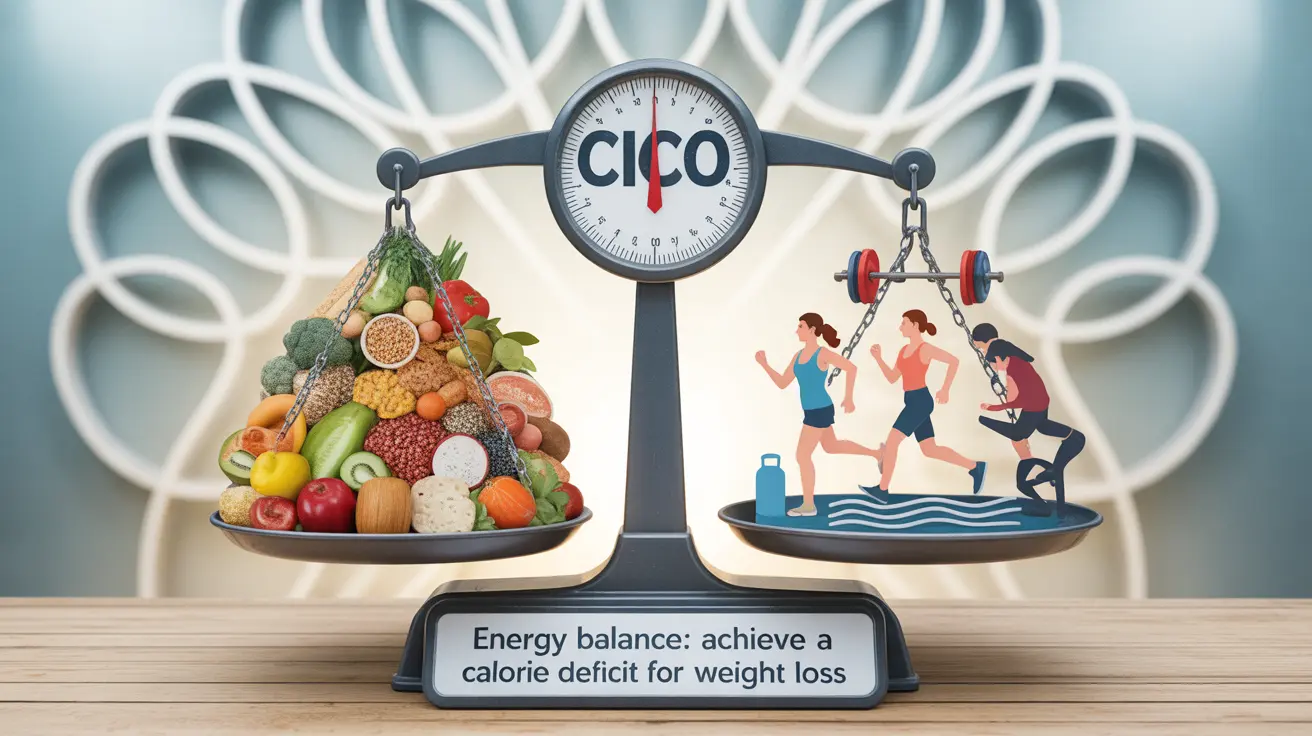
And you have likely been told repeatedly by “experts” that unless you have a medical condition preventing weight loss, eating less and moving more will always make you lose weight because it is a scientifically proven formula.
But here’s the real truth: for those struggling due to emotional weight, science alone is not the key to weight loss success — psychology is.
For most, psychology is key and needs to take precedence over science because your emotional weight dictates your beliefs, thoughts, behaviours, and inclinations, all of which prevent you from consistently applying the science — leading to weight cycling (habitually losing and regaining weight) and making permanent weight loss success unobtainable.
That is exactly why 80% of those trying to lose weight only ever experience short-lived success, regaining any weight they lose — because the crucial psychological and behavioural elements needed to release emotional weight are missing.
Yes, some slimming groups, diet plans, or coaching programs may address behavior, but the calls to action are often superficial. They do not offer strategies for deep-rooted behaviour modification or emotional regulation — both essential elements of lasting weight loss — and focus instead primarily on food habits and physical movement.
Each year, obesity statistics continue to rise, and more people struggle with managing their weight, with at least 2.8 million people sadly dying each year from being overweight or obese. This is a serious issue that needs to be addressed, but the diet industry (as vast as it is) continues to fail.
And that is because the diet industry profits massively from failure.
I know I may face backlash for saying this, but you cannot argue with these facts: The global diet and weight management industry is currently valued at around £329.83 BILLION (accounting for roughly 23% of global industry revenues), and it continues to grow at a compound annual growth rate (CAGR) of nearly 8.3% each year.
A large percentage of that revenue comes from repeat custom — meaning customer failure benefits the industry financially, and will continue to do so if people don’t realise that the system simply does not work long-term for most.
Before loyal dieters or slimming club members challenge me (as they often do), I’m not saying that these approaches don’t work at all. People often lose weight using these systems. In fact, during my two decades as a loyal slimming club member myself, I did lose weight many times — but I never maintained those losses. And that’s my point: they don’t work as a long-term weight management solution for most.
I’m not suggesting that no one has ever successfully lost weight long-term through these systems — it’s proven that around 20% do. But 80% is far too large a number to ignore.
I’ve had many conversations with slimming club members who argue that the plan works for them, as they’ve achieved awards like “Slimmer of the Month” or “Three Stone Award” — but they’re often on their tenth round as a returning member.
When I highlight this, they justify it by saying that the plan works when they stick to it, but life events cause them to stop. And once they return to the plan, they lose weight again.
However, this is proof that it doesn’t work for them — because they cannot sustain the routine through life’s inevitable challenges, making it a short-term solution.
That said, I always respect people’s choices — if that approach works for them, then good luck to them.
But the reality is that for most, losing emotional and physical weight requires a more multifaceted approach that includes both psychology and science.
Imagine that weight loss is like a jigsaw puzzle. Like all puzzles, there are multiple pieces, and every piece is needed to complete the full picture.
The approach you have used so far has only provided two pieces of that puzzle (diet and movement), yet you’ve still been expected to figure out the entire puzzle from just those pieces alone. That’s not only unrealistic but unfair, as it creates frustration and feelings of inadequacy.
However, this system will now provide you with all the necessary components to succeed.
The Lose For Life weight loss system has been designed to help you transform from a resistant weight loss state to a responsive one by removing emotional weight, lifting physical and emotional resistance, and modifying your behaviour, habits, and beliefs to ensure that you don’t just lose weight temporarily — you succeed long-term.
For the first time, you won’t simply be told what you need to lose weight — you’ll be taught it. You’ll be guided every step of the way and equipped with tools to support and strengthen you throughout this life-changing transformation.
It’s time to LOSE FOR LIFE…